PROGRESS ON L.I.F.E. PROJECT
L.I.F.E. – LIVE IN FULL EXPECTATIONS
1. Introduction
The International Centre for Family Advancement (ICFA) is committed to improving the social and economic well-being of vulnerable individuals and families through practical interventions, skills development, empowerment and sustainable livelihood programmes.
One of ICFA's flagship initiatives is the L.I.F.E. Project – Live In Full Expectations, which commenced in 2022.
The project was developed to reduce the vulnerability of women and girls by providing them with opportunities for skills acquisition, capacity development, economic empowerment and sustainable livelihood development.
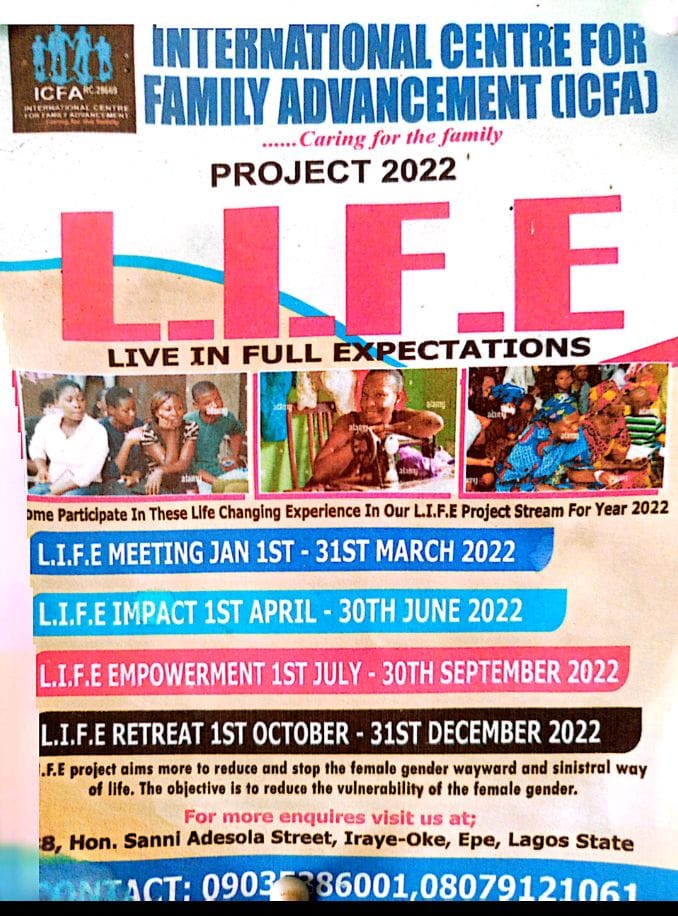
The L.I.F.E. Project operates through four interconnected phases:
- 1. L.I.F.E. Meeting
- 2. L.I.F.E. Impact
- 3. L.I.F.E. Empowerment
- 4. L.I.F.E. Retreat
The overall philosophy of the programme is to move beneficiaries from vulnerability to skills acquisition, and from skills acquisition to economic independence.
2. The L.I.F.E. Meeting – 2022
The L.I.F.E. Project commenced in 2022 with the L.I.F.E. Meeting, which was implemented over a three-month period.
More than 150 participants attended the meetings and related activities during this initial phase. Following the programme, screening and selection processes, 76 participants were shortlisted for progression into the next stage of the project.
The selection process considered the needs and circumstances of participants, their commitment to the programme, vulnerability, potential for economic development and willingness to acquire sustainable vocational or entrepreneurial skills.
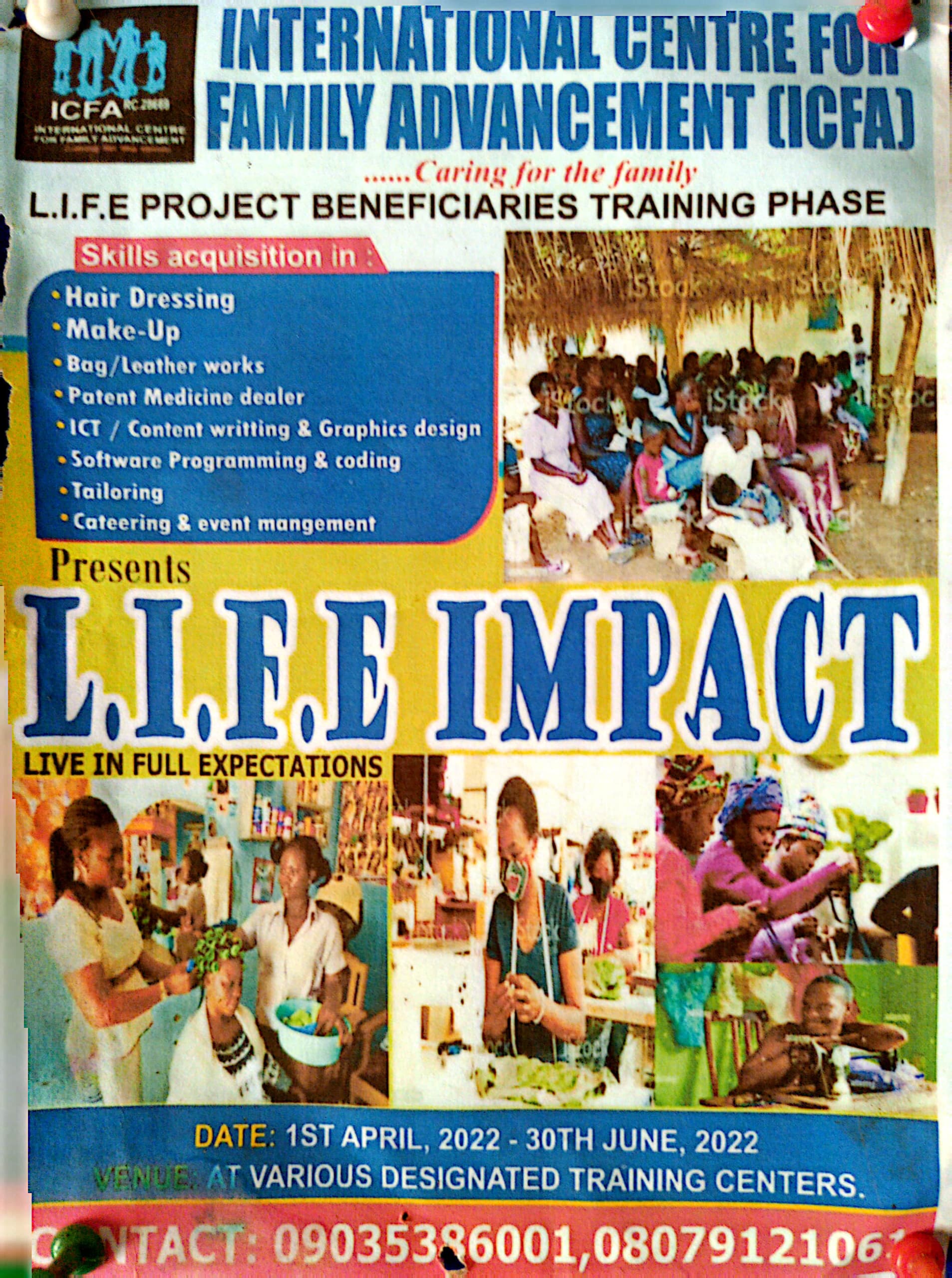
3. The L.I.F.E. Impact – Skills Acquisition
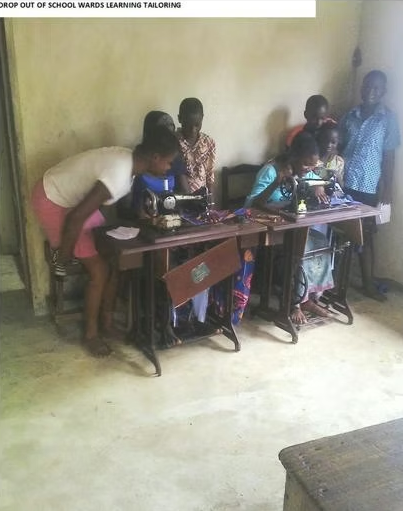
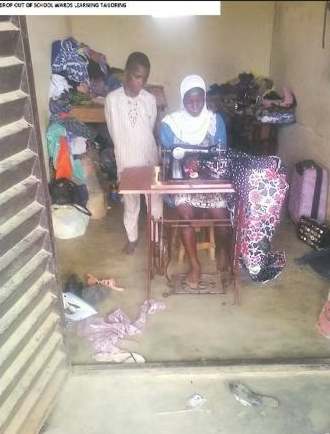
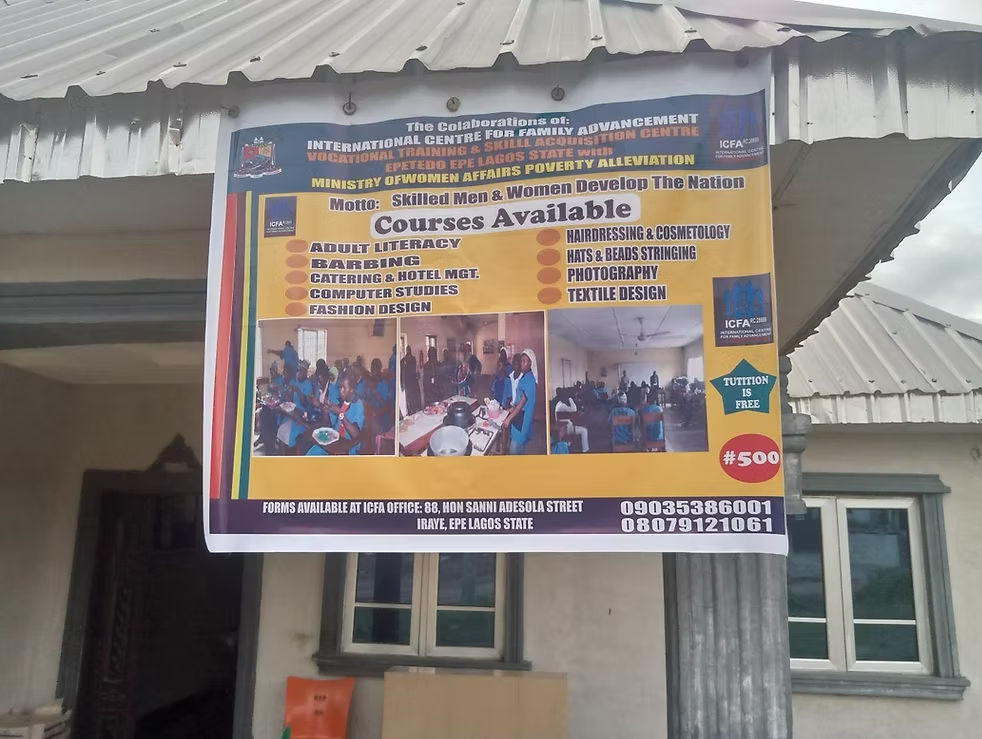
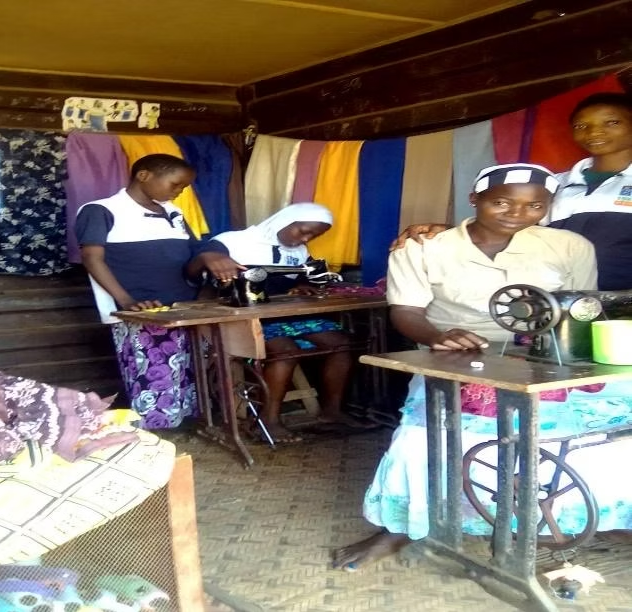
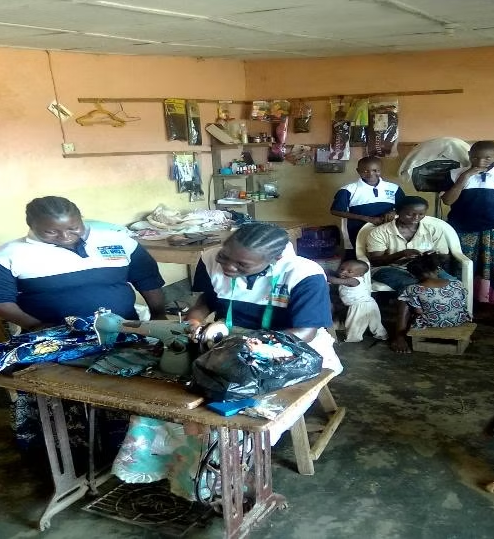
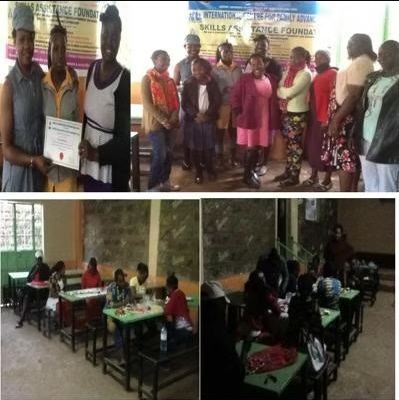
The second phase, known as L.I.F.E. Impact, focuses on practical skills acquisition and capacity development.
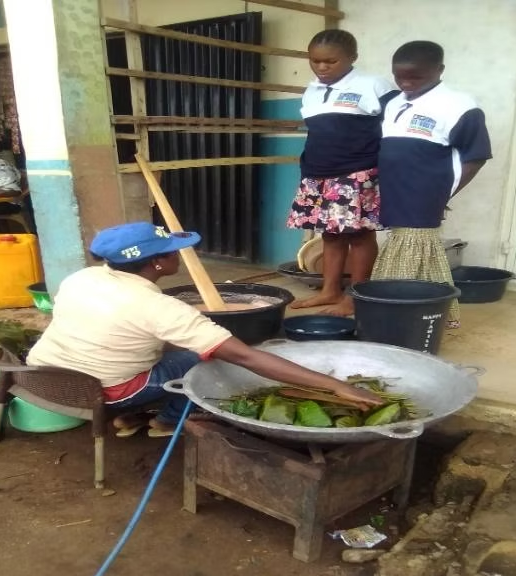
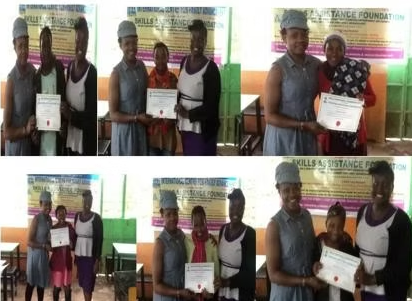
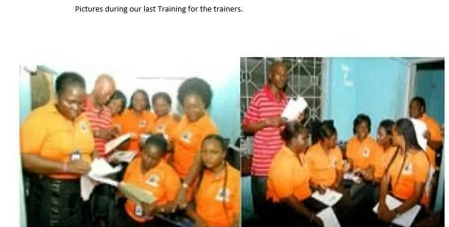
During the initial implementation of the project, ICFA collaborated with established entrepreneurs and skilled professionals to train selected beneficiaries in various vocational and income-generating skills at subsidised rates.
Where necessary, ICFA bore the cost of the training to ensure that financial limitations did not prevent selected beneficiaries from participating.
The skills offered under the programme included:
- Hairdressing
- Make-up and beauty services
- Bag and leather works
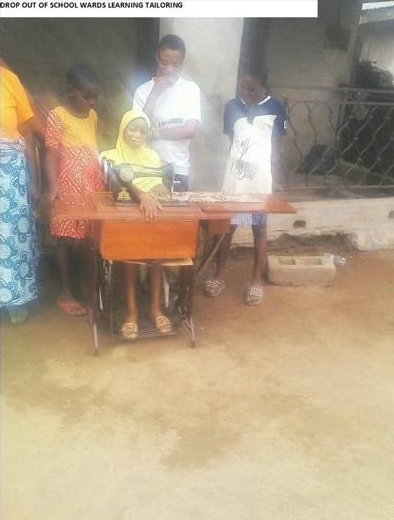
- Tailoring and fashion design
- Catering and event management
- ICT
- Content writing
- Graphics design
- Software programming and coding
4. Government Support and Collaboration
In subsequent years, ICFA sought to strengthen the sustainability of the programme by accessing available government vocational training opportunities.
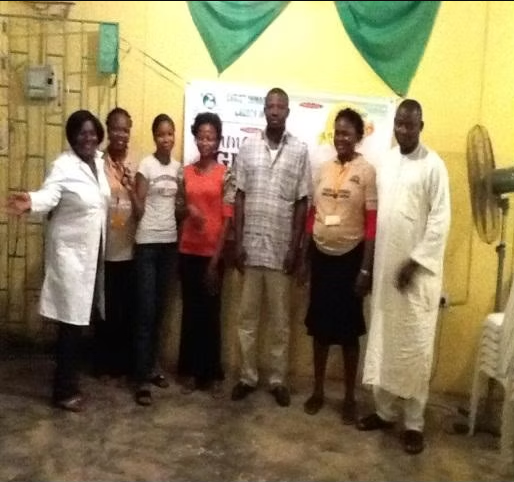
Following the support, advice and guidance received from the NGO Department of the Lagos State Ministry of Women Affairs and Poverty Alleviation (WAPA), ICFA utilised a State-owned vocational skills acquisition centre in Eredo, Epe, Lagos State.
This enabled subsequent groups of shortlisted beneficiaries to receive vocational training without training fees, thereby reducing the financial burden on ICFA and allowing the organisation to extend the programme to more beneficiaries.
The collaboration also demonstrated the potential for partnerships between civil society organisations and government institutions in addressing poverty and economic vulnerability.
5. L.I.F.E. Impact Beneficiary Record
The number of beneficiaries who have successfully participated in the L.I.F.E. Impact skills-acquisition phase is as follows:
| Year | Beneficiaries |
|---|---|
| 2022 | 11 |
| 2023 | 15 |
| 2024 | 15 |
| 2025 | 15 |
| 2026 | 15 |
| TOTAL | 71 |
Therefore, 71 beneficiaries have successfully completed the L.I.F.E. Impact training phase, out of the 76 participants originally shortlisted.
This represents approximately 93.4% completion of the original shortlisted beneficiaries.
6. The L.I.F.E. Empowerment Phase
While the skills-acquisition component of the project has recorded significant progress, the L.I.F.E. Empowerment Phase has not been implemented at the desired scale due primarily to financial constraints.
ICFA recognizes that skills acquisition alone does not necessarily translate into economic independence.
A trained beneficiary may possess the knowledge and technical skills required to establish a business but may lack the equipment, tools, materials or working capital required to commence operations.
For this reason, the L.I.F.E. Empowerment Phase is designed to bridge the gap between:
TRAINING → START-UP SUPPORT → INCOME GENERATION → SUSTAINABLE LIVELIHOOD
Although the Lagos State Ministry of Women Affairs and Poverty Alleviation has empowerment initiatives that have benefited some trainees, the beneficiaries of the ICFA L.I.F.E. Project have not been sufficiently included in such empowerment interventions.
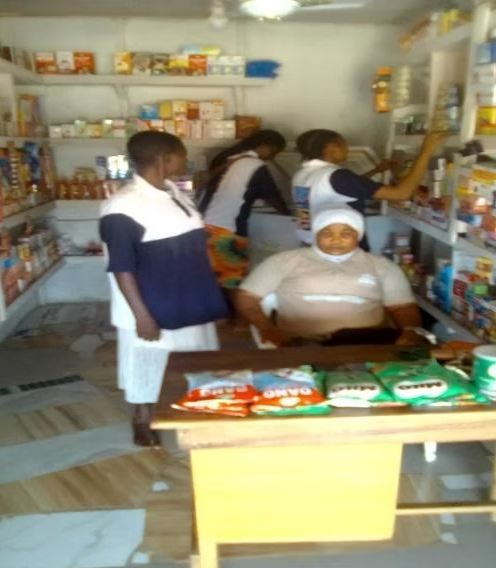
As a result, many of the trained beneficiaries are yet to receive the necessary resources to put their acquired skills into productive use.
7. Proposed Empowerment Intervention
ICFA is therefore seeking financial and institutional support to commence the L.I.F.E. Empowerment Phase for the 71 beneficiaries who have successfully completed their training.
Based on the different vocational areas and the minimum resources required to enable beneficiaries to commence their activities, ICFA estimates that each beneficiary requires an average of: ₦500,000 per beneficiary
This support may be provided in the form of appropriate equipment, tools, materials, start-up resources and/or carefully structured financial assistance, depending on the beneficiary's area of training and assessed needs.
Estimated Funding Requirement
| Description | Amount |
|---|---|
| Number of trained beneficiaries | 71 |
| Average empowerment support per beneficiary | ₦500,000 |
| TOTAL ESTIMATED REQUIREMENT | ₦35,500,000 |
| Total Funding Requirement | ₦35,500,000 |
The proposed funding will enable beneficiaries to establish or commence small-scale businesses and income-generating activities related to the skills they have acquired.
8. Expected Use of Empowerment Support
The assistance may be applied to areas such as:
- Hairdressing & Beauty: Salon equipment, dryers, clippers, styling equipment and related materials.
- Tailoring: Sewing machines, fabrics, accessories and other essential tailoring equipment.
- Catering: Cooking equipment, utensils, food-processing materials and basic working equipment.
- Leather Works: Leather-working tools, materials and equipment.
- Make-up: Professional make-up kits, beauty materials and equipment.
- ICT & Graphics Design: Computers and other essential digital equipment and tools.
The specific form and value of assistance shall be determined following individual beneficiary assessment and verification.
9. ICFA Follow-up, Monitoring and Accountability Structure
ICFA recognises the importance of accountability and measurable outcomes when providing financial or material assistance.
Consequently, ICFA has a follow-up and programme-monitoring structure designed to track beneficiaries after empowerment support has been provided.
The monitoring process will include:
- Verification of beneficiaries before assistance is provided;
- Documentation of the type and value of support received;
- Identification of each beneficiary's proposed business or livelihood activity;
- Monitoring of the establishment and operation of the beneficiary's enterprise;
- Periodic follow-up visits and/or communication with beneficiaries;
- Assessment of how the assistance is being utilised;
- Identification of challenges affecting business sustainability;
- Provision of appropriate follow-up guidance where possible;
- Measurement of income-generating and livelihood outcomes; and
- Preparation of periodic monitoring and impact reports.
This structure is intended to ensure that assistance is not merely distributed but that its actual impact on the lives and economic circumstances of beneficiaries can be measured.
ICFA will be able to provide donors and development partners with appropriate information on the utilisation and outcomes of the intervention, subject to applicable privacy and safeguarding requirements.
10. Expected Outcomes
Through the proposed empowerment intervention, ICFA expects to achieve the following:
Economic Outcomes
- 71 trained beneficiaries receive start-up support.
- Beneficiaries establish or strengthen income-generating activities.
- Increased opportunities for self-employment.
- Increased household income potential.
- Reduced economic dependency among beneficiaries.
Social Outcomes
- Reduced vulnerability among participating women and girls.
- Increased confidence and self-reliance.
- Improved ability of beneficiaries to contribute to household welfare.
- Increased participation in productive economic activities.
Sustainability Outcomes
- Trained beneficiaries are able to utilise their acquired skills.
- Businesses established through the project have an opportunity to grow.
- Beneficiaries can potentially employ or train others as their businesses develop.
- ICFA can track and document the longer-term impact of the intervention.
11. Previous Source of Funding
The L.I.F.E. Project has historically depended largely on internally generated resources, individual donations and contributions from supporters.
For the 2022 L.I.F.E. Meeting and Impact Phase, the recorded contributions include:
| Source | Contribution |
|---|---|
| JF Travels & Tour – Business Wing of ICFA | ₦800,000 |
| Mr. Francis Ebigboola | ₦250,000 |
| Mrs. Oyinkansola Akin-Davis | ₦200,000 |
| TOTAL | ₦1,250,000 |
These contributions played an important role in enabling ICFA to commence and sustain the project during its early implementation.
12. The Current Funding Gap
Despite the progress recorded in skills acquisition, the project currently faces a significant funding gap at the empowerment stage.
The organisation has successfully trained 71 beneficiaries, but the majority require financial or material assistance to translate their acquired skills into productive economic activities.
With an estimated requirement of ₦500,000 per beneficiary, the total funding requirement is: ₦35,500,000
ICFA is therefore seeking the support of:
- Philanthropic individuals
- Corporate organisations
- Foundations
- Development partners
- Government institutions
- International organisations
- Corporate Social Responsibility (CSR) programmes
- Faith-based and community organisations
- Other organisations and individuals committed to economic empowerment
Support may be provided as financial contributions, equipment, vocational tools, materials, business start-up packages or other appropriate forms of empowerment assistance.
13. Partnership Opportunity
ICFA invites prospective partners and donors to join the organisation in completing the journey that began with the beneficiaries' training.
The intervention provides an opportunity for partners to make a direct and measurable contribution to economic empowerment.
A donor or partner may choose to:
- Sponsor one beneficiary at ₦500,000;
- Sponsor multiple beneficiaries;
- Support a particular vocational category;
- Provide equipment instead of cash;
- Support a percentage of the overall ₦35.5 million requirement; or
- Enter into a broader institutional partnership with ICFA.
All support will be subject to appropriate beneficiary documentation, programme procedures and monitoring.
14. Conclusion
The L.I.F.E. – Live In Full Expectations Project reflects ICFA's long-term commitment to helping vulnerable women and girls move towards greater independence, dignity and economic sustainability.
Since its commencement in 2022, the project has successfully progressed from community engagement and participant selection to practical skills acquisition.
71 beneficiaries have successfully completed the L.I.F.E. Impact training phase between 2022 and 2026.
The next and most critical step is to ensure that these beneficiaries are not left with skills alone.
They need the opportunity to put those skills into practice.
An estimated ₦35,500,000 is required to provide an average of ₦500,000 in start-up support to each of the 71 trained beneficiaries.
ICFA is therefore seeking strategic partners and financial support to implement the L.I.F.E. Empowerment Phase.
With the appropriate support, these beneficiaries can move from training to enterprise, from vulnerability to productivity, and from dependency towards sustainable livelihoods.
L.I.F.E. — LIVE IN FULL EXPECTATIONS
International Centre for Family Advancement (ICFA)
"Caring for the Family"
- Proposed Empowerment Target: 71 Beneficiaries
- Average Support per Beneficiary: ₦500,000
- Total Funding Requirement: ₦35,500,000
From Skills Acquisition to Sustainable Livelihoods!